

With extensive experience in autoimmune disease research, Dr. Timothy Niewold leads programs that address why women are more frequently affected by rheumatic conditions. He serves as director of the Barbara Volcker Center for Women and Rheumatic Diseases at the Hospital for Special Surgery, where he guides research strategy, faculty development, and long-term funding initiatives. Timothy Niewold’s work includes oversight of clinical registries and federally supported research efforts focused on lupus and related diseases. His laboratory and collaborative studies explore genetic risk, early diagnostic approaches, and immune system behavior, helping clarify how biological and environmental factors intersect to influence disease patterns among women.
How Rheumatic Diseases Disproportionately Impact Women
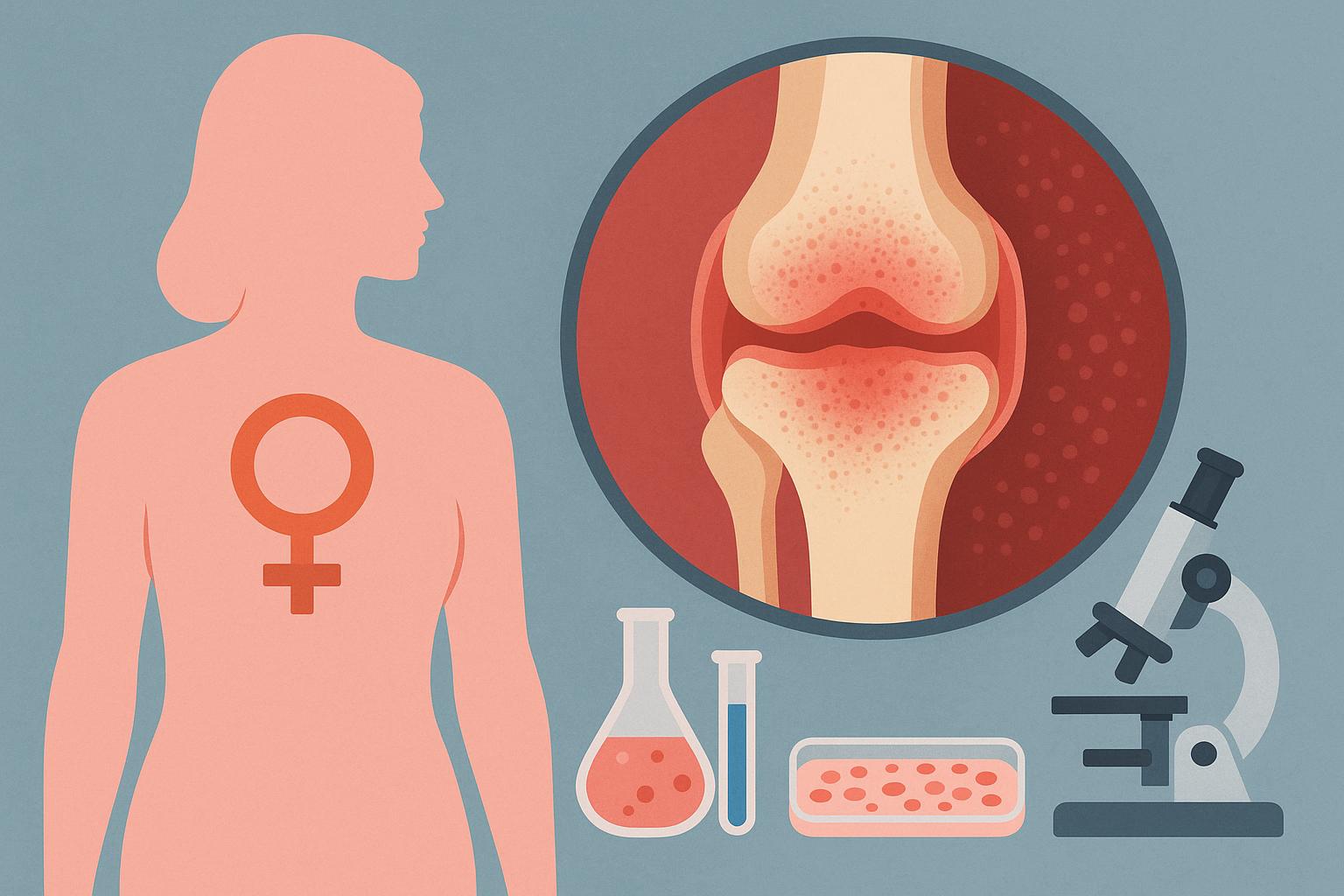
Rheumatic diseases like systemic lupus erythematosus (SLE/lupus), scleroderma, rheumatoid arthritis (RA), and Sjögren’s disease are global health burdens. Although these conditions affect both men and women, and in some cases have earlier onset, higher rates of disability, and more severe symptoms. Women account for 70 percent of autoimmune rheumatic disease cases. Understanding why this is the case requires examining immune biology, genetics, environmental triggers, hormones, and structural issues that are linked to diagnosis and healthcare access.
There are biological explanations as to why women are more affected. The female sex hormones, particularly estrogen and prolactin, have strong immune-modulating effects. Studies have shown that these hormones enhance B-cell activity and can increase autoantibody production. They also amplify inflammatory cytokines in susceptible individuals and could contribute to disease flares during pregnancy, postpartum periods, and menstruation.
Genetic and epigenetic factors also play key roles in why women are more susceptible to autoimmune rheumatic diseases. Women have two X chromosomes, each with many genes central to immune regulation. Abnormal X-linked gene expression can increase immune activation and heighten vulnerability to autoimmunity, thereby influencing disease severity. One of a woman’s two X chromosomes is supposed to be inactivated. However, this does not always happen evenly. When some genes on the “inactive” X chromosomes stay active, women then have extra copies of some immune-related genes, which eventually make the immune system more active.
Women experience some rheumatic diseases at far higher rates than men, in part because their immune systems react more strongly to threats. This heightened responsiveness helps the body fight infections more effectively, but it also increases the risk that the immune system will mistakenly attack healthy tissue. These differences in immune behavior help explain why autoimmune rheumatic conditions are so common among women.
Environmental and lifestyle factors also play a significant role. Women across the world often carry heavier caregiving responsibilities and face more persistent emotional and physical stress. Chronic stress can fuel inflammation, which may contribute to the onset of disease and exacerbate symptoms.
Diagnosis can be challenging in rheumatic diseases. Many people report long delays before receiving a correct diagnosis. This can lead to years of uncertainty and untreated illness. When these conditions are recognized late, patients may face more advanced disease and more complex treatment needs.
Historically, researchers excluded women, especially those who were pregnant, from many clinical trials, which left major gaps in understanding how treatments work specifically for them. Although modern studies now include more women, important questions remain. Scientists are still working to understand how shifting hormones influence disease activity, how safe certain biologic medications are during pregnancy, and whether women may need different medication doses than men.
About Timothy Niewold
Dr. Timothy Niewold is an expert in autoimmune disease research and directs the Barbara Volcker Center for Women and Rheumatic Diseases at the Hospital for Special Surgery. His work spans clinical registry development, genetic research, and research mentorship within academic medicine. He also serves as editor in chief of the Journal of Immunological Methods and advises on scientific research initiatives.