

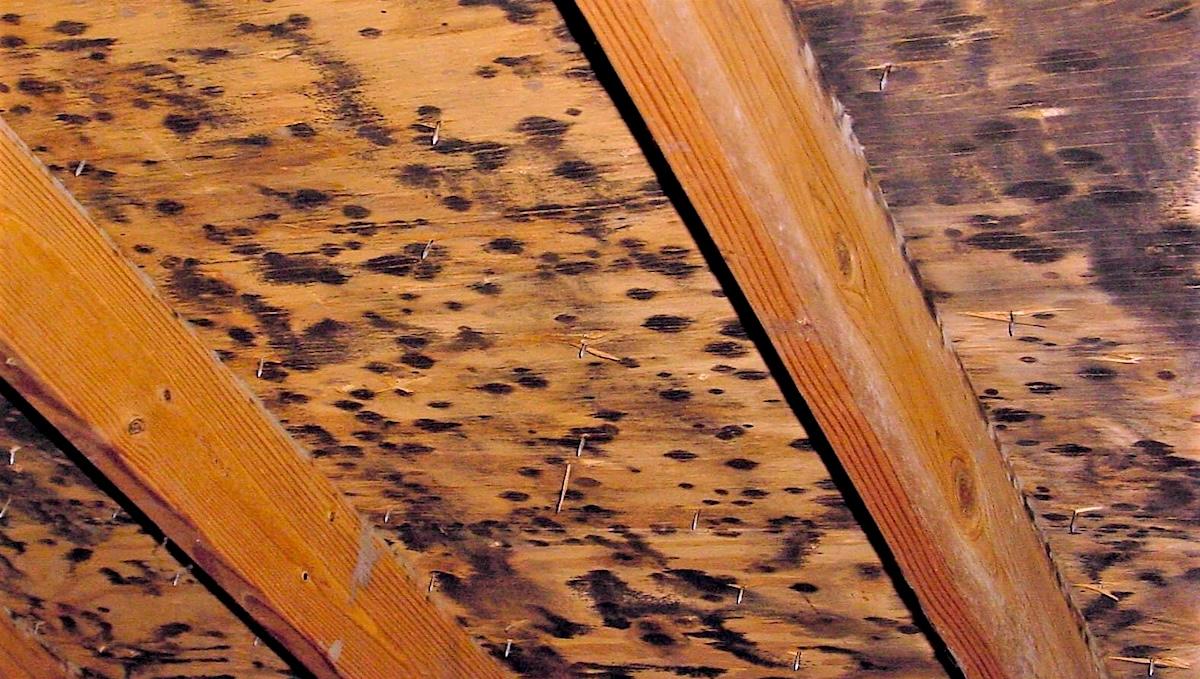
Living in South Florida always means embracing the sun, the beaches, and unfortunately, the relentless humidity that comes with it. If you’ve ever stepped into your attic on a sweltering afternoon or noticed a musty smell wafting up from the crawl space, you might be dealing with one of the region’s most persistent home invaders: mold. This isn’t just a cosmetic issue—it’s a dilemma that affects thousands of homes from Miami and Boca Raton to Jupiter, turning hidden spaces into breeding grounds for trouble. Let’s dive into what makes this problem so common here and how you can tackle it head-on.
Why South Florida Homes Are Prime Targets
South Florida’s climate is a perfect storm for major mold growth. With average humidity levels hovering around 70-80% year-round, and frequent tropical storms dumping inches of rain, moisture finds its way into every nook and cranny. Unlike cooler regions where basements are common, many homes here sit on slabs or have crawl spaces instead, but attics and ceilings bear the brunt of the heat and condensation. In fact, the area’s subtropical weather creates what’s known as “cold attic syndrome,” where warm indoor air meets cooler attic surfaces, leading to condensation that soaks insulation and wood framing. This isn’t rare—local restoration experts report that attics and crawl spaces account for a significant portion of mold calls, especially after hurricane season.
Basements aren’t as prevalent in South Florida due to the high water table, but when they exist in older or elevated homes, they’re equally vulnerable. Water seeps in through foundation cracks, turning these underground areas into damp havens. Ceilings, often overlooked, can show signs of mold from roof leaks or plumbing issues above, spreading downward into living spaces. The key here is that mold doesn’t need much to thrive—just moisture, warmth, and organic material like wood or drywall, all abundant in these hidden zones.
Unpacking the Causes of Mold in Attics
So, what sparks this mold explosion? It starts with poor ventilation. In attics, if soffit vents are blocked or ridge vents aren’t functioning, hot air traps moisture from rising indoor humidity or exhaust fans that improperly vent into the space. Roof leaks from storm damage are another big culprit— even a small drip can lead to widespread growth if not caught early. Down in crawl spaces, open vents meant to air things out actually pull in humid outdoor air, condensing on cooler surfaces and feeding mold on joists and insulation.
Ceilings often suffer from secondary issues, like bathroom exhaust not routed outside or air conditioning condensation overflows. In basements or lower levels, groundwater intrusion through porous concrete walls is common, especially after heavy rains when drainage systems fail. Add in neglected maintenance, such as clogged gutters that cause water to pool near foundations, and you’ve got a recipe for disaster. Interestingly, even modern homes aren’t immune; energy-efficient sealing can trap moisture inside if ventilation isn’t balanced properly.
The Risks You Can’t Ignore
Mold isn’t just unsightly—it’s a health and structural hazard. Exposure can trigger respiratory issues, allergies, or worse for those with asthma or weakened immune systems, as spores circulate through HVAC systems into living areas. In attics and ceilings, it can degrade insulation, reducing energy efficiency and leading to higher bills. Structurally, prolonged growth rots wood framing in crawl spaces and basements, compromising your home’s integrity and potentially costing thousands in repairs.
In South Florida, where homes endure constant humidity spikes, mycotoxins from certain molds add another layer of concern, potentially causing long-term air quality problems. I’ve seen cases where unnoticed attic mold spreads to ceilings below, creating visible stains and odors that signal deeper issues. The economic hit is real too—mold remediation in these spaces can run from $500 to $4,000 depending on the extent, not to mention the dip in property value if left unchecked.
Spotting Mold Early: Detection Tips
Catching mold before it takes over is crucial. Start with your senses: a persistent musty smell, especially after rain, is a red flag for attics or crawl spaces. Visually inspect for black, green, or white patches on wood, insulation, or drywall. In ceilings, look for water stains or bubbling paint that might indicate hidden growth above. For basements and crawl spaces, check for condensation on pipes or damp soil.
Tools like moisture meters can help measure and control humidity levels—anything over 60% spells trouble. Professional mold inspections, including air sampling, can identify mold spore types and concentrations, especially useful in humid climates where growth hides in inaccessible spots. Don’t forget to peek after storms; quick checks can prevent minor leaks from escalating.
Mold Prevention: Always Your Best Defense
The good news? You can outsmart mold with smart habits. Ventilation is king—ensure attics have working soffit and ridge vents, and consider adding fans if needed. For crawl spaces, encapsulation with vapor barriers seals out ground moisture, paired with dehumidifiers to keep levels below 50%. Basements benefit from sump pumps and exterior drainage improvements to divert water away from foundations.
Regular maintenance counts: Clean out your gutters, fix any water leaks promptly, and route all exhaust vents outside. In ceilings, insulate pipes to prevent condensation drips. Whole-home dehumidifiers or upgraded HVAC filters can make a big difference in South Florida’s sticky air. And if you’re building or renovating, opt for mold-resistant materials like treated wood or antimicrobial paints in vulnerable areas.
When It’s Time for Professional Mold Remediation
If mold has already set up shop, DIY might not cut it—especially in large areas. Professional mold remediation involves containing the space, removing affected materials, and thorough cleaning with HEPA vacuums and antimicrobials. For attics, this often means pulling out soggy insulation and treating wood; in crawl spaces, it could include fogging treatments to reach hidden spots.
Post-remediation, focus on prevention to avoid recurrence. Costs vary, but addressing root causes like ventilation upgrades pays off long-term. In South Florida, certified pros familiar with local climate challenges are your best bet for effective results.
Wrapping It Up: Stay Ahead of Future Mold Issues
Dealing with mold in attics, basements, ceilings, and crawl spaces is a South Florida rite of passage, but it doesn’t have to be a nightmare. By understanding the causes tied to our unique weather and taking proactive steps, you can keep your home dry, healthy, and mold-free. Regular checks and quick fixes go a long way—think of it as routine maintenance, like changing your AC filter. If you’re unsure where to even start, a local inspection company can provide peace of mind. After all, in this humid paradise known as South Florida, a little vigilance ensures your hidden spaces at home don’t become a major hidden headache for all inside.