


Graham R. Taylor is an international corporate advisor and Principal of Marquis Advisory Group, with more than three decades of experience advising global investment institutions, technology companies, entrepreneurs, and high net worth individuals. His work has included market entry, corporate structuring, business development, investment strategy, and advisory initiatives across the United States, Australia, and China. Educated at the University of New South Wales and Yale Law School, Taylor has also held leadership roles with the Australian-American Chamber of Commerce and the San Francisco-Sydney Sister City Committee. Beyond his professional interests, his recreational pursuits include surfing, skiing, golf, and motorcycles. His interest in outdoor activities provides a fitting context for a practical discussion of ocean swimming safety and the importance of preparing for changing open-water conditions.
Ocean Swimming Safety Tips
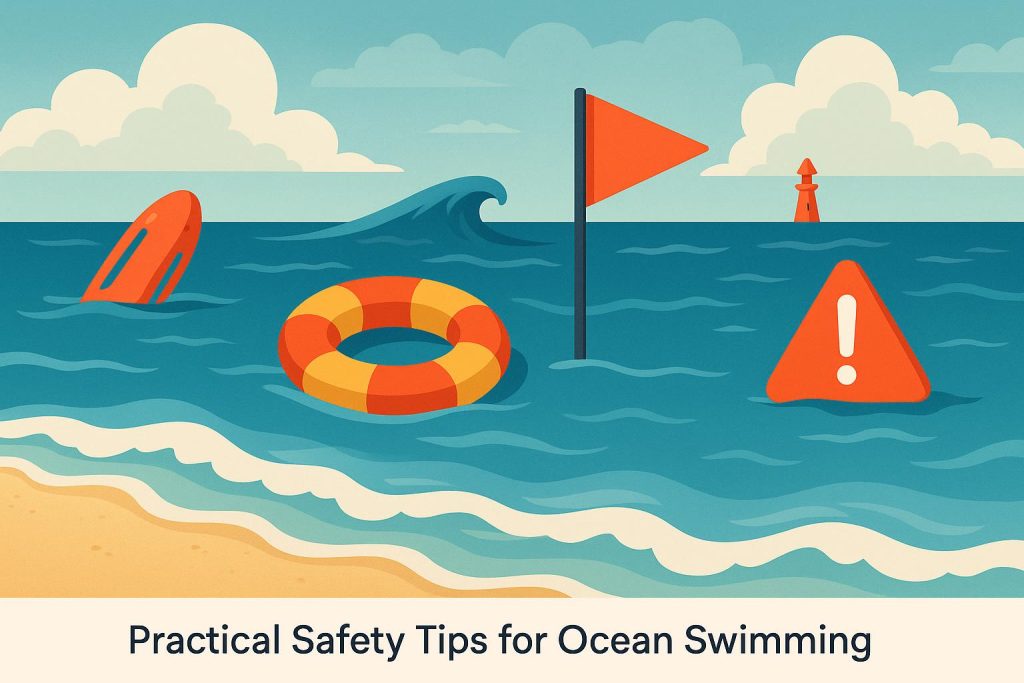
Open-water swimming enthusiasts reconnect with nature and enjoy the health benefits of rigorous physical activity, such as cardiovascular fitness. Not all water bodies, however, are swimmable. Below are some safety tips for swimming in the ocean.
The ocean, unlike the pool, is boundless and uncontrolled. The water is opaque, and there are no markings showing depth. Even an otherwise swimmable beach can be hazardous. A common hazard is traffic. Anglers, boaters, and other users can render a waterway risky. Ocean swimmers should, therefore, consider water traffic before taking the plunge.
Even in clear water, individuals should remain vigilant. In open water, situational awareness is critical. Potential hazards include wildlife, boats, shifting tides or currents, and changing weather conditions.
Anyone venturing into open water swimming should practice sighting. In sighting, one lifts their head forward at least every 10 strokes. It’s also advisable to swim in a group. More swimmers means more eyes.
More eyes also means better, more informed decisions, especially regarding the weather. Open-water swimmers are prone to storms, which carry the risk of lightning. One should never go swimming in the ocean without checking the weather forecast. Even so, they should always remember that the weather could change abruptly.
Aquatic creatures can also make ocean swimming risky. Shark attacks, although rare, do occur near shores. Swimming too far from the shore, especially where shark prey gather, increases the risk of a shark encounter. Swimming in groups may help deter predators. Individuals should avoid shiny jewelry and gear, as they might attract predators.
Open water can be extremely cold. Exposure to low temperatures can cause cold-water shock, which impairs cognition and mobility and may lead to drowning. Prolonged exposure can also result in hypothermia. Experts recommend wearing a wetsuit for thermal protection and buoyancy.
Swimming pools are designed to minimize currents. In the ocean, currents run wild. Rip currents account for 8 in 10 rescues. They flow from the shoreline into the deep sea, carrying with them anything caught in them. When they strike, it’s advisable not to fight it, but to swim parallel to the shore and at an angle.
Currents aren’t the only surprises to watch out for. Waves can be just as unpredictable. They can take swimmers way off course. Shore breaks, or inside breaks, or insiders can be particularly dangerous. Where shores break, the water peeks sharply onshore, not gradually. They can be disorienting and can injure the limbs and the spine. Individuals should inquire from a lifeguard about wave conditions before going in.
Ideally, individuals who can swim in the pool can swim in the open. It’s, however, not that simple. Open water swimming requires certain skills. It also demands endurance. In the pool, if one gets tired, they can always swim to the sides or grab a lane line. Out in the open water, if one gets tired, they may drown.
Individuals should therefore develop basic skills before attempting open-water swimming. Treading can be especially helpful for floating with minimal energy. It also helps to know how to breathe to both sides, as wind from one side can make breathing to that side hard.
Open water can present unexpected conditions, even at familiar beaches. Individuals should not assume they fully understand a location and should approach each visit with caution. Before entering the water, swimmers should be informed about wildlife activity, weather conditions, and tides. It’s bad enough swimming alone; it’s dangerous swimming without a lifeguard present.